Tag Archives: German

GERMAN FLASH FICTION 2026: THE RUNNERS UP

We are delighted to publish the runner up entries for this year’s German Flash Fiction competition! We’ll be publishing the highly commended entries for all three languages in each age category over the coming weeks.

Years 7-9 runners up

Photo by Sascha Bosshard on Unsplash

Wie ein Murmeltier schlafen

„Das Murmeltier, immer klug und verantwortlich, gräbt ein tiefes, warmes Loch, damit es auf seinen absolut notwendigen und wichtigen Winterschlaf vorbereiten kann.

„Für sechs lange Wintermonate sinkt das Murmeltier in einen schützenden Schlummer, um den Nahrungsmangel und kaltes Wetter zu überleben, geschickt Energie zu sparen.

„Das ist was es ist zu schlafen wie ein Murmeltier. Das ist wer wir sind. Wir sind KEINE dumme deutsche Redewendung.”

Der Präsident der Murmeltiere hat seine Rede beendet mit einem Lächeln.

Es gab keinen Applaus.

Stattdessen gab es laute Gähnen und ruhige Schnarchen.

Die anderen Murmeltiere schliefen.

– Heritage Agbaje, Year 9

Plitsch! Platsch!
Kleine Erdbeben krachten laut, als sie aufs stilles Wasseroberfläche landeten.
Ich streckte meine kalte Nacken nach oben; die Sternen funkelten verloren über mir, als sie einen glühenden Weg hinter ihm, im unendlichen Dunkel, verlassten.
Meine gefrorenen Beinen knarrten und beklagten sich, als ich langsam von dreckigen Boden erhebte.
Plitsch!
Plötzlich donnerte blitzende Schmerz durch mein Köpf.
Seekraft verschwommen mit der Regen, fiel ich hilfnungslos zurück zum schmutzigen Boden.
Platsch!
Grausame Wolken schwebten über mir; meine Augen fielen zu.
Im fremden Felder, verwelken blutrote Blumen.
Plitsch! Platsch!
Krieg. Ist es endlich zuende? Oder werden die Blumen noch mal blühen?

– Sophia Pfrang, Year 9

Years 10-11 runners up

Signal Corps Archive from United States – SC 396844 – Replacements pick up their K rations before being assigned to a combat unit from a replacement pool. France. 20 July, 1944. 90th Infantry Division. Photographer not credited.

Die Fragen und die Warteschlange

Junger Mann: Die Wartezeit scheint jedes Mal länger zu werden. Warum sollten wir hier stehen und warten? Warum können wir uns nicht beschweren?

Alter Mann: Das haben wir früher gemacht. Und was hat sich geändert?

Junger Mann: Nichts, aber –

Alter Mann: Genau. Wer sein Leben schätzt, lernt geduldig zu warten.

Junger Mann: Aber warum? Warum –

Alter Mann: Seid vorsichtig. Die Leute, die Fragen gestellt haben, stehen nicht mehr in dieser Schlange.

Soldat: Eine Ration pro Haus. Kein Ausweis, kein Essen.

Der alte Mann reicht seine Papiere.

Junger Mann: Zuerst habe ich viele Fragen. Welche Macht hast du –

Ein Schuss hallt.

– Amelia Sinclair, Year 10

[Our second runner up in this category did not wish for their entry to be published on the blog].

Years 12-13 runners up

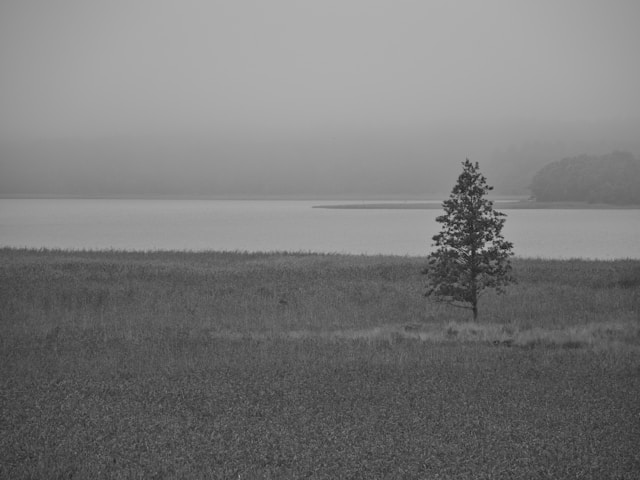
Die Tod des Erlkönigs

Ich fand ihn auf dem Waldboden, verfaulend wie ein Apfelkern. Er lag in einer Senke inmitten der trockenen Wurzeln und Skelettblätter. Er summte etwas Undeutliches, das in der Luft als Nebel hing, seine Borkelippen, rissig und moosig. Beerentragende Dornensträucher blühten aus seinem hohlen Mund, die überreife Früchte, blutunterlaufen mit Saft. Seine Augen schienen glasig wie die Oberfläche einer Pfütze, seine Tränen wurden mit Schlamm verziert, und die Spinnen webten ein Leichentuch durch die Fasern seiner silbernen Haare. Er streckte seine halb vergrabene Hand aus aber seine Worte wurden verloren, als die Erde ihn ganz schluckte.

Nun wächst eine Erle dort.

Photo by Henry Schneider on Unsplash

– Edith Taussig, Year 13

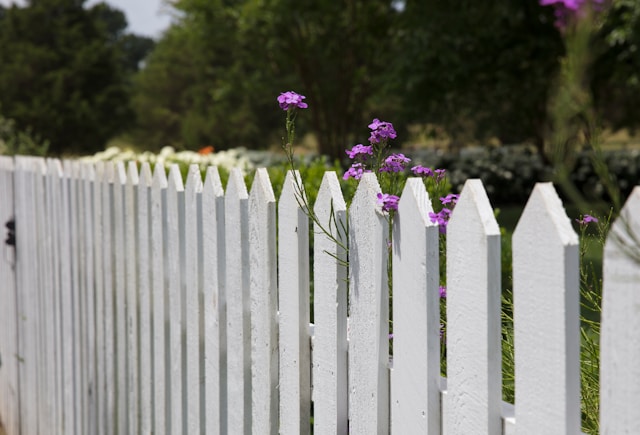
Auf der einen Seite des Zauns wohnt ein Mädchen. Sie hat keine Spielzeuge, keine neue Kleidung. In ihrem Garten wachsen keine Blumen.  Um die Tage zu füllen, liegt sie auf der Rasenfläche und beobachtet die Flugzeuge, träumend, eines Tages weit weg zu fliegen.

Photo by Randy Fath on Unsplash

Auf der anderen Seite des Zauns wohnt ein Mädchen.  Sie sitzt im Wintergarten beim Tee mit ihrem Gesangsprivatlehrer. In der Ecke des Zimmers liegt ihr Koffer. Sie hat ihn schnell gepackt. Sie denkt an die Woche in Spanien mit ihrem Vater. Ohne Worte, ohne Gefühle. Sie ist eifersüchtig auf ihrer Nachbarin, für die das Leben leicht ist.

– Uma Ahluwalia, Year 12

Herzlichen Glückwunsch an alle!

GERMAN FLASH FICTION 2026: THE WINNERS

We are delighted to publish the winning entries for this year’s German Flash Fiction competition. We published the winning entries for French and Spanish over the last two weeks. The runners up and the highly commended entries for all languages in each age category will be published over the coming weeks and months.

Thank you and huge congratulations to everyone who entered! The German judging panel were extremely impressed with all the entries we received this year (just under 200 of them!), and commented the following about the competition:

We were delighted to have received so many entries across a range of topics. Some stories led us into mystical realms and fairy-tale-like settings, while others offered new dimensions and dystopian glimpses at a future where robots and AI had taken over. At heart of all these often quite poetic stories was a deep emotional connection with the world, encompassing questions around the self and relationships with others, memories, hopes and dreams as well as the perspectives of animals. It was clear to see many entrants thinking carefully about the vocabulary and grammar structures they had been learning, and about how they could take risks with these to creative, poignant, or amusing effect. We found it heartening to see so many young Germanists engaging with fiction in such a palpably enthusiastic way, asking themselves how we narrate, how we connect with each other, and what we learn about German – and ourselves – in the process.

Without further ado, here are the winning stories! We hope you enjoy reading them as much as the judges did.

Years 7-9 winner

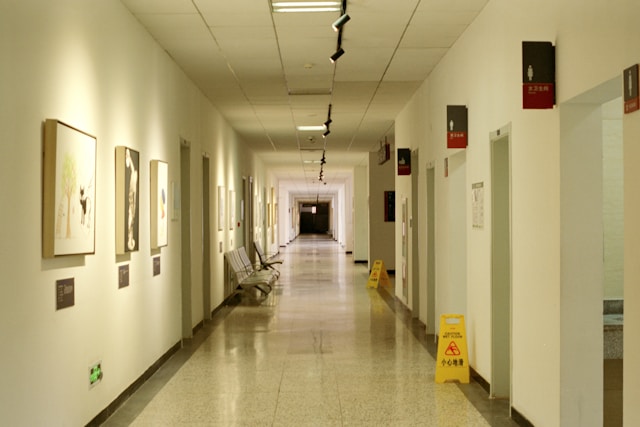
Photo by zhang shuaizhang on Unsplash

Im Krankenhausflur roch es nach Desinfektionsmittel und Regen. Lina saß neben Zimmer 214 und zählte die Schritte der Krankenschwestern. Ihr Großvater schlief drinnen, still wie ein geschlossenes Buch. Ein alter Mann im Rollstuhl rollte vorbei und flüsterte: „Krankenhäuser sind Orte voller Anfänge. “Lina verstand nicht. Menschen kamen hierher, weil etwas endete. Später wachte ihr Großvater auf und lächelte schwach. „Erzähl mir eine Geschichte“, sagte er. Lina erfand eine über mutige Entdecker und weite Meere. Während sie sprach, wurde seine Hand wärmer. Draußen hörte der Regen auf. Lina dachte plötzlich, vielleicht hatte der Mann recht. Manchmal beginnt Hoffnung genau dort, wo Menschen glauben, alles sei vorbei.

– Rynad Mohudeen, Year 9

Years 10-11 winner

Wachsen oder nicht?

Tag Eins

Ich glaube, das ist nicht mein richtige Ort…

Photo by Herbert Goetsch on Unsplash

Gestern sind wir, Löwenzahnsamen, endlich geflogen! Wir haben auf Fliegen, unseren Zweck, auf unser ganzes Leben gewartet.

Aber ich bin in Asphalt: grau, miserabel, ohne andere Pflanzen. Ich glaubte, als ich aufwuchs, Leben wird hervorragend werden, jedoch ist es im Gegenteil!

Tag Zwei

Ich habe erstmals eine Krähe gesehen. Sie war so gewaltig! Und total schwarz! Indessen, sie lachte, Blumen können absolut nicht im Asphalt wachsen. Es war unsanft, aber… Was, wenn sie richtig war?

Tag Sechs

Ich fühle, Wurzeln wachsen aus mir. Sie sind natürlich, schwach.

Aber nur noch.

– Mariia Slobodyanyuk, Year 10

Years 12-13 winner

Photo by Ladislav Stercell on Unsplash

Meine Oma lehrte mir immer mehr Wörter, jedes Mal besuchte ich sie.
Wir begannen mit einfachen Wörtern, Vokabeln für ein Kind. Wir sprachen über alles von verschiedenen Farben bis den Namen der Sternbilder. Dann, mit einem stolzen Lächeln, wurde ich meinen Eltern Informationen über Regenbogen und Weltraum erzählt.
Als ich älter wurde, besprachen wir Konzepte. Wir lasen Bildungsromane und dachten nach der Bedeutung von Kafkaesk.
Ich lernte fast alles von ihr während unserer Zeit zusammen. Jetzt hat sie die letzte Ruhe gefunden, aber ich erinnere mich ihre Lieblingsausspruch.
“Diese sind deine Wörter,” sagte sie, “mach damit, was du willst.”

– Leah Holmes, Year 12

Herzlichen Glückwunsch an die Gewinner

A German Classic Prize 2026

The Oxford German Network are delighted to announce the launch of this year’s ‘A German Classic’- our annual essay competition for sixth-form students. This year we would like to invite you to read with the novel All Quiet on the Western Front by Erich Maria Remarque’s (1898 – 1970), regarded by some as one of the greatest (anti-) war novels of all time.

We have put together a free study pack, including a set of multimedia materials, that will help you delve into this fascinating text. We will guide you through topics ranging from the novel’s first person narrator Paul Bäumer, to depictions of nature and a disconnect between a younger and an older generation.

We also encourage all students interested in entering the competition to sign up for a free study pack (including the physical book in both German and English) by 12 noon on 1st July via this link.

Up to three prizes will be awarded: For the essay competition, we will award a first prize of £500, a second prize of £300, and a third prize of £100 (Prizes may be awarded jointly, in which case the prize money will be split). Prizes will only be awarded if work is of sufficient merit. All entrants will receive a Prize Certificate or a Certificate of Participation.

All details about eligibility, study packs, essay questions, submission, judging criteria and more, can be found here.

The deadline for submission is 12 noon on Wednesday 9th September 2026.

If you have any questions, please email the Prize Coordinator Marlene Schilling at germanclassic@mod-langs.ox.ac.uk.

2026 Flash Fiction Competitions: The results

In December 2025, we launched our annual Flash Fiction competitions, which closed at the end of March. The competitions were open to students in Years 7 to 13, who were tasked with writing a short story of no more than 100 words in French, German and/or Spanish.

We had an incredible response, with entries coming in from all areas across the country! In total, we received over 1100 submissions across the three languages!

We would like to thank everyone who entered the competitions and commend you all for your hard work and creativity in writing a piece of fiction in a different language. This is a challenging exercise, and a significant achievement – congratulations all!

We are delighted to be able to announce the winners, runners up, and highly commended entries for each language below. We will be publishing the stories here on the blog over the summer so you can read them for yourselves.

French

In the Years 7-9 category, the winner is Cindy Li. The runners-up are Esme Pritchard and Shanzeh Masood.

The judges also identified the following entrants as highly commended: Ema Danileviciute; Mahek Amjad; Elisabetta Margherita Federici; Heritage Agbaje; Anah Imran; Iqra Zaheen; Veer Khanna; Eva Madan; Ayaan Banerjee; and Kimberley Woollard.

In the Years 10-11 category, the winner is Ranvir Sharma. The runners-up are Joseph Nebel and Honorée Wallis.

The judges also identified the following entrants as highly commended: Nandana Dhanabal; Henry Bodal Hansen; Myrtle  Mitchell; Yakshita Ramdhony; Victoria Wang; Chloe Shin; Djihane Ounissi; Aarush Lala; Aadi Jhawar; and Jack Bolton.

In the Years 12-13 category, the winner is Julia Lee. The runners-up are Salome Gvindadze and Francesca Bardou.

The judges also identified the following entrants as highly commended: Isla Thurlow; Jude Shalaby; Ines Amraoui; Isabelle Lake; Erin Grimsey; Alexander   Andrews; Caterina Ciniselli; Sherisa Johnson Rock; Henrietta Coningsby; and Sophie Agmen-Smith.

The French judging panel commented the following about all the entries:

We have been really impressed by the inventiveness, courage, and linguistic flair shown by this year’s Flash Fiction Competition entrants. The winners, runners up, and commended entries demonstrated imagination, advanced vocabulary, and precise grammar to craft engaging, moving, or suspenseful narratives, all within the limits of 100 words.

We encountered a crime-fighting guinea pig, a rebellious swarm of insects, time capsules, apocalypses, many Mona Lisas, croissants, Monet’s garden, sentient bacteria, Nemo’s adventures abroad, talking teddy bears, battlefields both metaphoric and real, acrobats, celebrity frogs, airport encounters, surprise birthday cakes, atmospheric descriptions of the moon, and divinely ordained bins.

Your entries were a pleasure to read, and we are delighted to commend each one of you for your hard work and creativity. Our warmest congratulations to everyone for taking part! 

German

In the Years 7-9 category, the winner is Rynad Mohudeen. The runners-up are Heritage Agbaje and Sophia Pfrang.

The judges also identified the following entrants as highly commended: Donald Kuhn; Eva Monica Buckingham; Eva Davies; Habibur Kazi; Kayden Jace Miraflor; Kenji Ronan; Lili May Kuhn; Muhammad Anwaar Ul Haq; Thomas Lawrance; and Vakish Indrajith.

In the Years 10-11 category, the winner is Mariia Slobodyanyuk. The runners-up are Amelia Sinclair and Anonymous.

The judges also identified the following entrants as highly commended: Ananya Patrick; Ananya Subramonian; Ariel Xu; Eleanor Ziegler-Tan; Elsa Rauschenbach; Eva Howells; Evelyn Roberts; Flora Boney; India Davie-Thornhill; and Luca Goolamali.

In the Years 12-13 category, the winner is Leah Holmes. The runners-up are Edith Taussig and Uma Ahluwalia.

The judges also identified the following entrants as highly commended: Alexander Howell; Alexandra Hampton; Ayaan Jilani; Charlotte Kenyon; Chloe Louet; Elisabeth Tillett; Ellis Underwood; Florence Datta; Isabella Young; and Tarannum Jayaswal.

The German judging panel commented the following about all the entries:

We were delighted to have received so many entries across a range of topics. Some stories led us into mystical realms and fairy-tale-like settings, while others offered new dimensions and dystopian glimpses at a future where robots and AI had taken over. At heart of all these often quite poetic stories was a deep emotional connection with the world, encompassing questions around the self and relationships with others, memories, hopes and dreams as well as the perspectives of animals. It was clear to see many entrants thinking carefully about the vocabulary and grammar structures they had been learning, and about how they could take risks with these to creative, poignant, or amusing effect. We found it heartening to see so many young Germanists engaging with fiction in such a palpably enthusiastic way, asking themselves how we narrate, how we connect with each other, and what we learn about German – and ourselves – in the process.

Spanish

In the Years 7-9 category, the winner is Alessia Jain. The runners-up are Rishaan Sharma and Lilac Eis.

The judges also identified the following entrants as highly commended: Lucio Angeli Stella; Anonymous; Anonymous; Ashvy Sasikumar; Ekamjot Kaur; Denis Rodriguez Sanmartin; Anonymous; Tara Hayhoe; and Ruby Ayetigbo.

In the Years 10-11 category, the winner is Alfie Bailey. The runners-up are Amelie Rahman and Maya Maimaris.

The judges also identified the following entrants as highly commended: Jemima Tapp; Clothilde Salord; Alexandros Pallett; Jasmin Leong; Malena Sievers Mayo; Maria Chowdhory; Sophie Blundell; Siena Gurjar; Anagha Abrol; and Aisha Balde.

In the Years 12-13 category, the winner is Lila Rock. The runners-up are Celia Guasch Bloomer and Nicole Kilby.

The judges also identified the following entrants as highly commended: Katerina Garcia; Olivia Slater; Paul Olusegun; Richard Hall; Sienna O’Keefe; Alexa Lewis-Banks; Ava Spillane; Anonymous; Bella Trafford-Barton; and Charles Romeu-Villalobos.

The Spanish judging panel commented the following about all the entries:

As in previous years, there were lots of very interestingly organized and thought-provoking entries. This year, we noticed quite a different at the level of theme – some were very funny, others, more sobering reflections on modern life. It was very difficult to decide the overall winners and runners up and there were a number of other stories that we would have liked to have commended too. The level of the Spanish seemed a little stronger than in previous years, which is testament to your hard work. ¡Seguid estudiando y escribiendo!

Huge congratulations everyone – you should be very proud of your achievement!

German Olympiad Round 2

Following our post about Oxford’s annual German Olympiad, we are delighted to announce that Round 2 of the Competition is now open for entries!

There are three new exciting tasks for pupils in Years 8 to 12, as well as our prestigious Camden House Book Proposal for postgraduates and early-career researchers at a UK university.

To clarify: Round 1 and Round 2 are separate competitions. You may enter both, but do not need to have entered Round 1 in order to enter Round 2.

Entries should be submitted via the online form. Please note that we cannot accept postal or email entries. Entries received by post, by email or after the deadline will not be considered.

The deadline to submit your entries is 26 March 2026 at 12 noon.

Results will be published on our website in June 2026. Winners and runners-up will be contacted by email and invited to a prize-giving ceremony at the Bodleian Library, University of Oxford, in June 2026.

 If you have any questions please contact the Olympiad Coordinator at  olympiad@mod-langs.ox.ac.uk.

P.S. There’s still time to also enter Round 1 of the Oxford German Olympiad 2026!

Modern Languages Subject Taster Day

Happy New Year everyone! We hope you had a wonderful time and enjoyed the festivities over the Christmas holidays.

A new year brings new opportunities to explore your options of studying Modern Languages at Oxford.

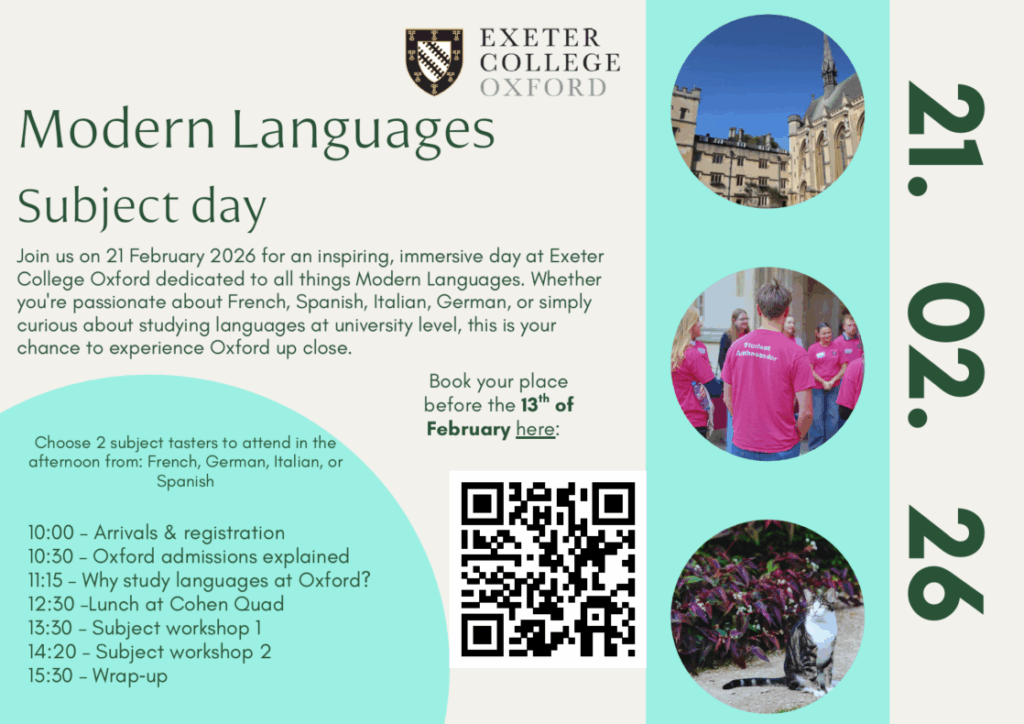
For example, on 21 February 2026, Exeter College is running an inspiring, immersive day dedicated to all things Modern Languages for Year 11 and 12 students.

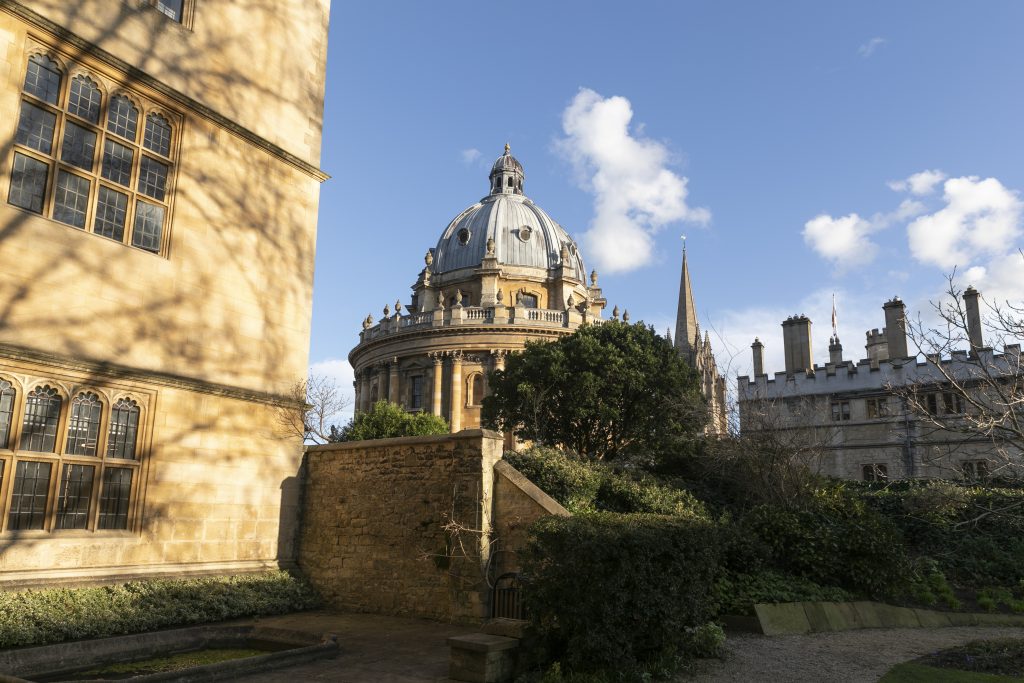
The Radcliffe Camera from Exeter College

Whether you’re passionate about French, Spanish, Italian, German, or simply curious about studying languages at university level, this is your chance to experience Oxford up close.

In the morning, you’ll explore the historic Turl Street site and gain a clear, insider’s view of the admissions process and what studying languages at Oxford is really like.

Across two afternoon sessions, you’ll take part in small‑group workshops led by Oxford tutors in French, Spanish, Italian, or German. Choose your languages, explore real academic material, and experience Oxford’s teaching style first-hand.

Apply here: Modern Languages Subject Day: Saturday 21 February 2026 – Fill in form. The form will close on 13 February 2026.

Subject Days are often oversubscribed and selection is based on academic merit and contextual factors. We warmly encourage applications from students who identify with any of the following criteria.

  • Students on Free School Meals.
  • Students from IMD Q1 and Q2 (*check your postcode at the link below)
  • Students who have been or are currently in care.

Please provide as many details about yourself to aid the shortlisting process.

The programme will be free of charge, lunch will be provided, and travel bursaries are available.

Questions can be directed to outreach@exeter.ox.ac.uk.

UNIQ 2026 – Applications now open!

Will UNIQ help you shape your future? Apply now and find out! 

What is UNIQ?

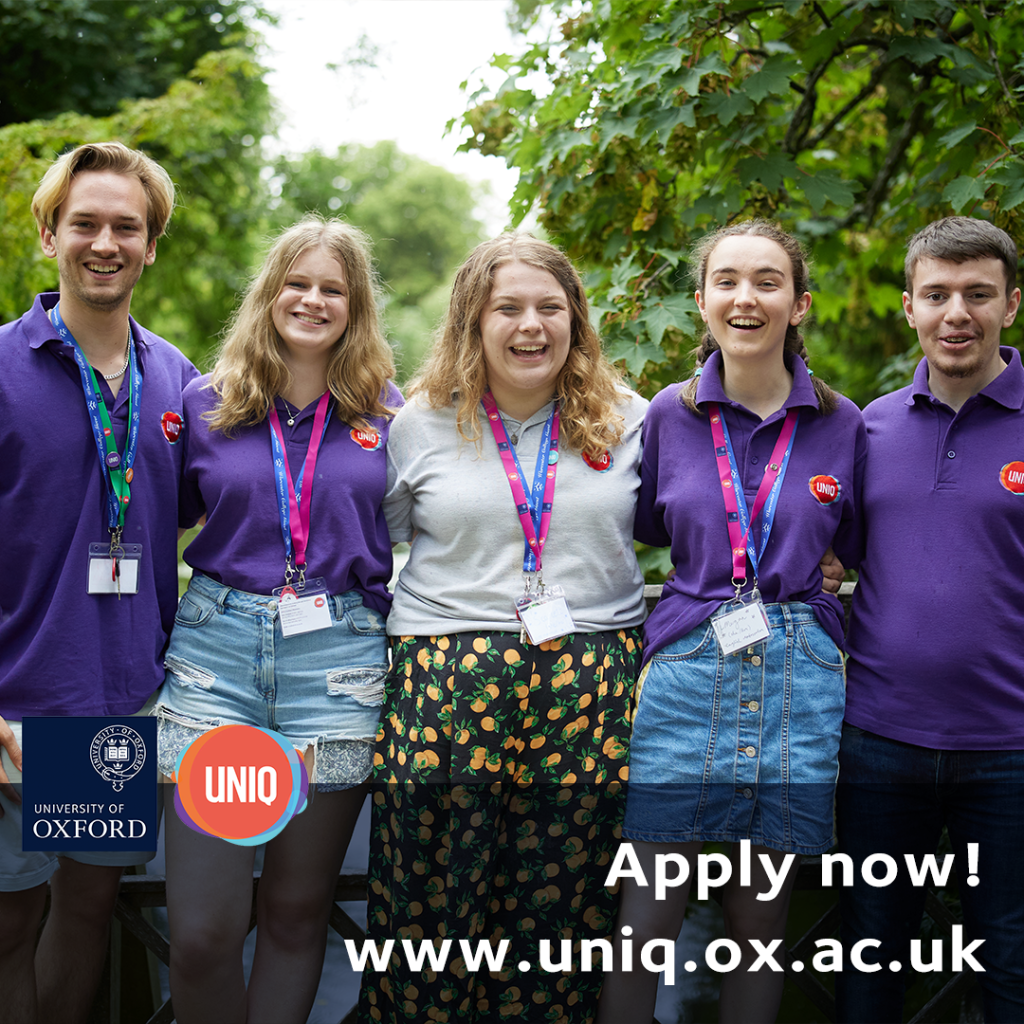
UNIQ is Oxford’s free access programme for UK state school students. Featuring a sustained contact programme and in-person summer residential, you’ll be taught by Oxford academics and explore subjects aligned with your academic interests. The programme encourages you to make friends with other UNIQ participants: you’ll meet them at regional events and live alongside them during the Oxford residential, where current undergraduates will also be supporting you and on hand to answer your questions about student life at Oxford. We’ll also support you to make a strong university application to a course at Oxford or elsewhere. 

What Modern Languages courses are available?   

For Modern Languages, there will be courses available for SpanishFrench, and German taking place over the summer of 2026. Each varied course allows students to explore several exciting elements of degree-level language studies, such as language, literature, theatre, film, and linguistics, and provides the opportunity to experience a taster of two other European languages at beginners’ level.

How can I apply?

Applying is quick and simple – just register and fill out the form on the UNIQ website. It shouldn’t take you more than 15 minutes. Before you apply you should check that you meet our eligibility requirements and browse carefully the 30+ courses on offer to decide on your first and second choice.  
 
Applications close on 13 January 2026. You can find out more about the programme and selection criteria on the UNIQ website (www.uniq.ox.ac.uk) and by following us on Instagram (@OxfordUNIQ). If you have any queries about the applications process, check out our FAQs or contact us at uniq@admin.ox.ac.uk.   

*****

We’ll be back in January 2026 with more blog posts. In the meantime, we wish you a restful and peaceful festive period and a Happy New Year!

2026 Flash Fiction Competitions now open!

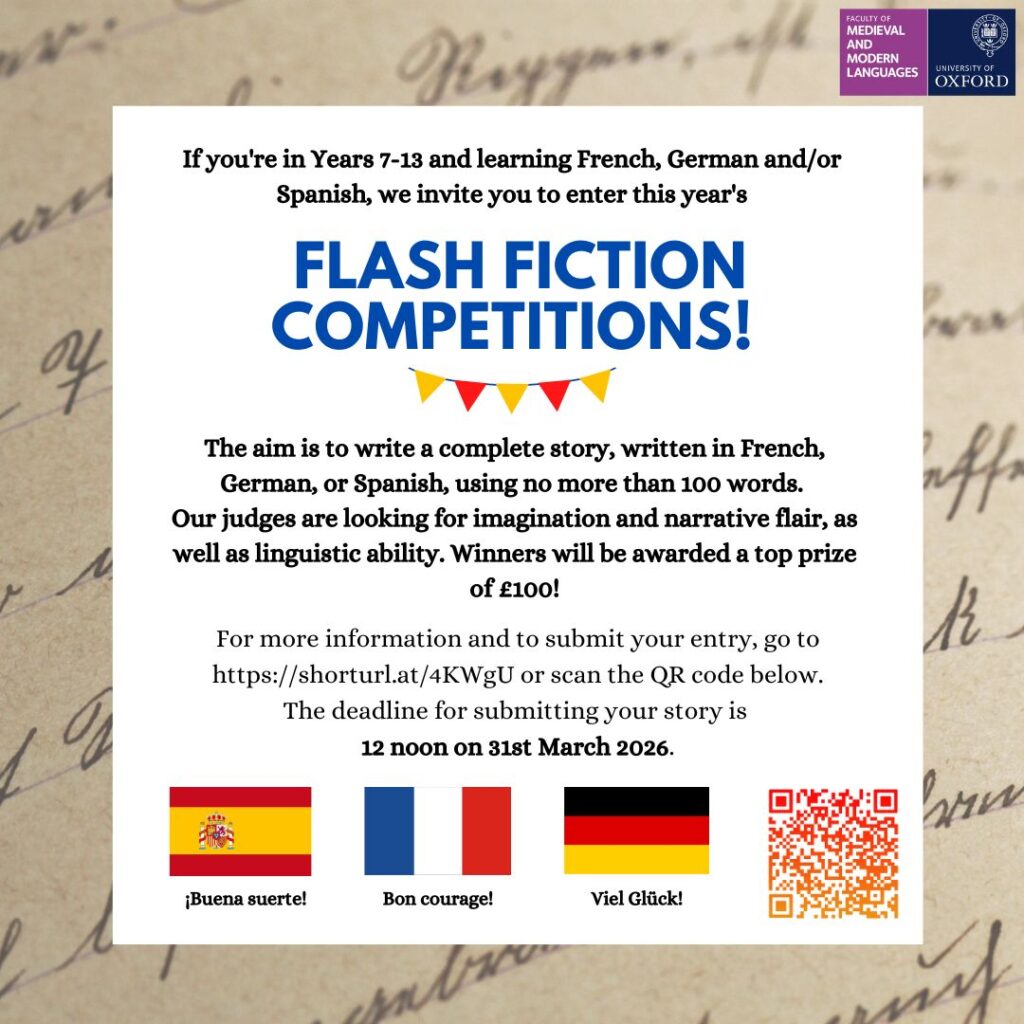
The Faculty of Medieval and Modern Languages is delighted to announce that this year’s Flash Fiction Competitions in French, Spanish and German are now open!

Our annual Flash Fiction Competitions invite secondary school pupils to submit a complete story of no more than 100 words, in French, Spanish, or German, for the chance to win up to £100.

Our 2026 Competition marks the first year in which German will be included and we’re excited to be expanding the Competition after many successful years!

Entries are judged by a panel of academics who are primarily looking for creativity, imagination and narrative flair, as well as linguistic accuracy. Pupils’ language skills will be considered in the context of their age and year group: in other words, we will not expect younger pupils to compete against older pupils linguistically. Each language competition is divided into three age categories:

  • Years 7-9 (ages 11-14)
  • Years 10-11 (ages 14-16)
  • Years 12-13 (ages 16-18)

The judges will award a top prize of £100, as well as prizes of £50 to a maximum of two runners up, in each category. Certificates will also be awarded to pupils who have been highly commended by our judges. Results as well as the winning, runner up, and highly commended stories will be published her on our blog if entrants give us permission to do so.

More information and links to the submission forms can be found on our website. Pupils may only submit one story per language but are welcome to submit a story in two or three languages if they would like to. For some inspiration, they can have a look at last year’s winning entries in French and Spanish.

Please note that pupils must enter the competition themselves: teachers cannot enter on their behalf for reasons of GDPR compliance.

FAQs can be found here and any other questions can be directed to schools.liaison@mod-langs.ox.ac.uk.

The submission deadline is 12 noon on 31 March 2026.

Bonne chance à tous! ¡Buena suerte a todos! Viel Glück euch allen!

FREE Christmas Lectures for Year 13s

The Langton Language Centre, based at Simon Langton Girls’ Grammar School in Canterbury, is running an exciting series of online lectures aimed at Year 13 languages students.

These are a great opportunity to get a taste of studying languages at university and see if it’s for you!

These lectures are taking place from 8th to 19th December and are completely free. All lectures will take place in the evening, either from 18:00-19:00 or 19:00-20:00.

The programme of lectures can be found here. Lectures cover varied topics, from the French Revolution to Japanese films.

Students need to sign up individually via this form with just their school name. No personal details required!

For safeguarding reasons, microphones and cameras will be muted but students and lecturers will be able to interact via the chat. 

Please email David Stalley (dstalley@langton.kent.sch.uk) with any questions.

OXFORD GERMAN OLYMPIAD 2026

The Oxford German Network have launched the 13th edition of its annual German Olympiad! The competition will run between now and March 2026 with winners being announced in the summer.

This year’s topic is “Immer unterwegs – Mobilität und Reiselust“. 

There are a variety of different challenges aimed at pupils in Years 5 and 6 all the way to Years 12 and 13. Some are for individuals to enter, others are aimed at groups. There is even a taster competition for pupils who have never studied German before! From creating maps and cartoons, to recording a podcast, there’s something for everyone!

Take a look at the Olympiad website for further practical information and more details about the tasks.

The closing date for all entries is Thursday 12 March 2026. Any questions can be directed to the Olympiad Coordinator, Eva, at: olympiad@mod-langs-ox.ac.uk

We are looking forward to receiving lots of entries!