SPANISH FLASH FICTION 2026: THE RUNNERS UP

We are delighted to publish the runner up entries for this year’s Spanish Flash Fiction competition! We’ll be publishing the runner up entries for German, as well as the highly commended entries for all three languages in each age category over the coming weeks.

Years 7-9 runners up

Píxeles
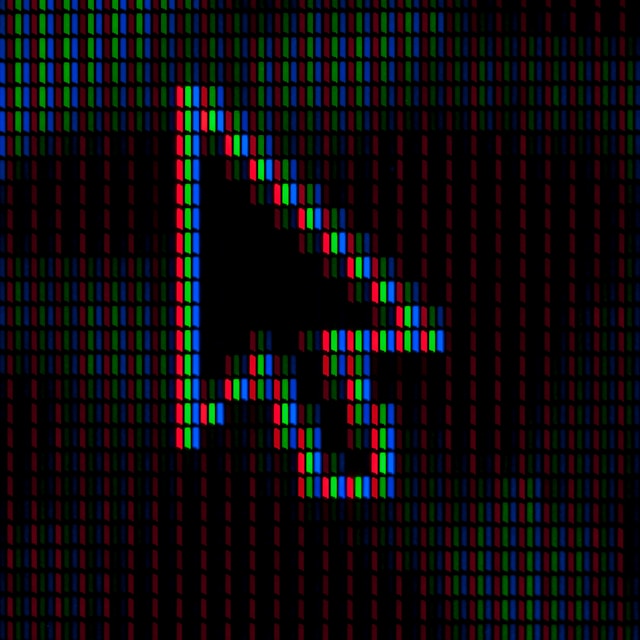
Photo by Umberto on Unsplash

Una combinación de rojo, verde y azul llena millones de pequeños cuadrados. Ocultos tras una pantalla de cristal, su trabajo pasa desapercibido. Cada batalla se libra para oír un toque en el cristal, alguien que finalmente les presta la atención que buscan. Sin embargo, con el paso de las horas, el miedo se apodera de ellos, todo se oscurece, la batalla ha terminado. Esta es la lucha a la que se enfrentan día tras día hasta que, finalmente, la batalla termina para siempre.

Caen en el olvido, o mejor dicho, son reemplazados.

– Rishaan Sharma, Year 9
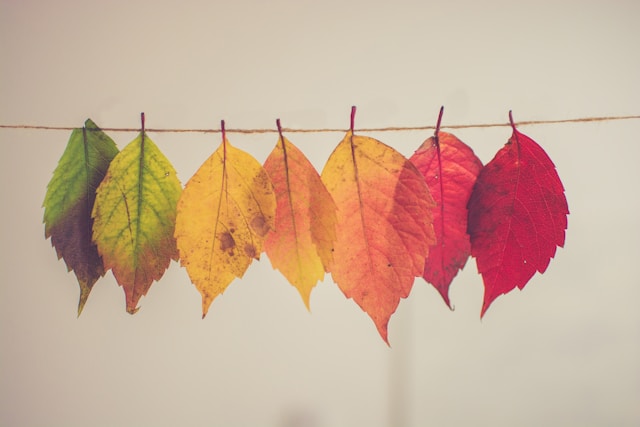
Photo by Chris Lawton on Unsplash

El invierno, niña pequeña que aún no puede controlar su temperamento caprichoso causando frío y muerte cuando llora. La primavera, niña grande llena de esperanza y vida cuando renueva la naturaleza pero llora cuando llueve. El verano, mujer joven conquistando el mundo y trayendo el sol, pero también cruel e implacable causando olas de calor agobiante. El otoño, mujer que ha visto el mundo, feliz con lo que le traiga, lista para dejar su furia con el cambio de las hojas. Finalmente vuelve el invierno, mujer vieja a veces malévola pero tranquila cuando se convierte de nuevo en niña.

– Lilac Eis, Year 8

Years 10-11 runners up
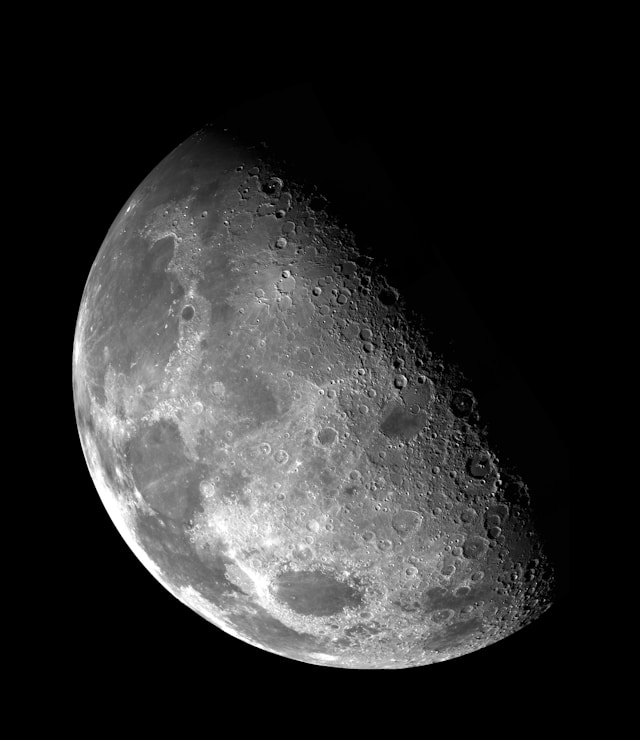
Photo by NASA on Unsplash

Querida luna

Estimados poetas,

Les escribo con urgencia y, si me permiten, con cierto agotamiento.

Llevan siglos usándome. Soy “plateada”, soy “melancólica”, el símbolo de todo amor no correspondido que no saben dónde colocar. Neruda me agotó. Lorca me dejó sin palabras. Y siguen.

¿Saben cuántos poemas he inspirado esta semana sola? Cuatrocientos diecisiete. Conté.

Tengo cráteres, grietas, polvo lunar. No soy romántica — soy geología.

Les pido, con toda la paciencia que me queda, que busquen otra metáfora. Un semáforo en rojo, quizás. También espera, también frustra, y nadie le dedica sonetos.

Atentamente, La Luna.

P.D. La marea también está harta.

– Amelie Rahman, Year 11

Un desconocido en el aeropuerto
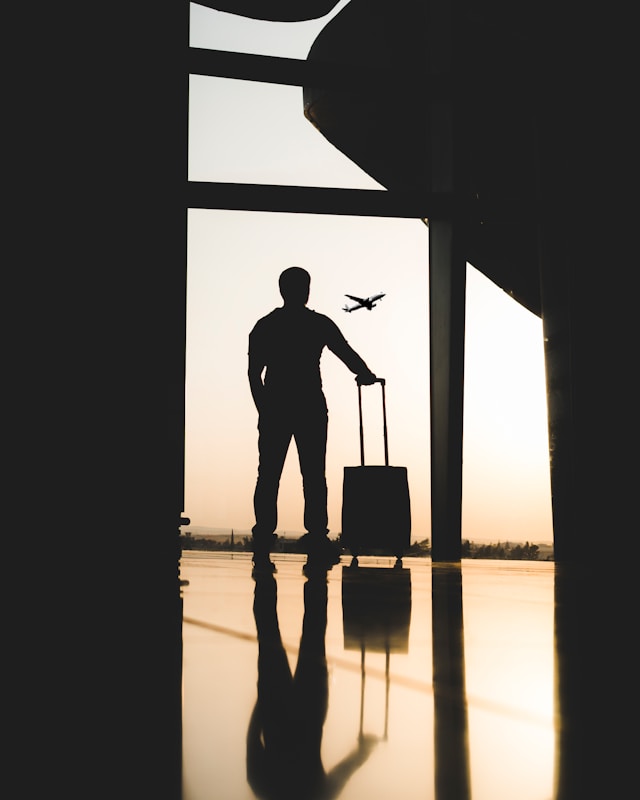
Photo by yousef alfuhigi on Unsplash

En el aeropuerto
Veo a un hombre
Con una mochila morada.
Me cuenta, con todos los colores de su lengua,
La historia de su querencia,
Su país roto y su hermoso hogar.

No le entiendo en absoluto,
Pero el rojo de su ira
Y el azul de su dolor y
El verde de su tierra natal, su querencia
Me pintan un cuadro.
Tiene que buscar una vida nueva, y yo,
Tengo que coger un avión
Me sonríe con todos los colores de su historia.
Entiendo sus colores
Y traigo pensamientos de él de vuelta a mi propia querencia.

– Maya Maimaris, Year 10

Years 12-13 runners up
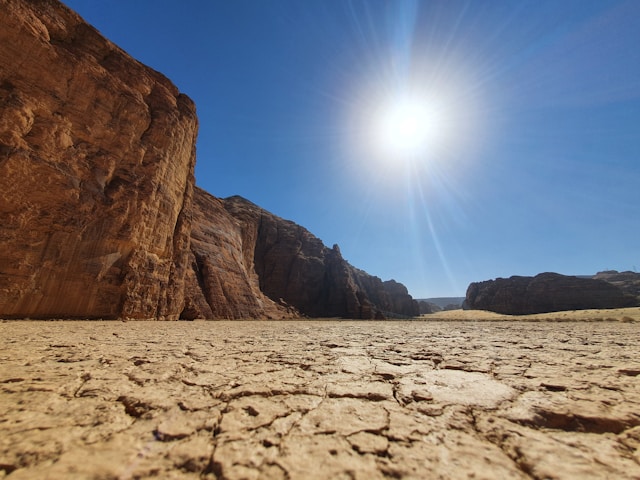
Photo by M K on Unsplash

El sol convierte su poder en un arma, atacando al terreno seco que ansía saciar su sed. La moneda de oro en el cielo se derrite, quemando el cuello del señor. Cada rayo se transforma en una gota pesada de sudor que sangra al cuello de su camisa. Extiende la mano agarrando el pie de la planta de garbanzo y la arranca de la piel del mundo. Sus raíces respiran aire con necesidad. Las uñas del hombre están manchadas, testimonio de su trabajo duro. Una sola brisa lo recorre. Desanuda su espalda, relajándose para su escape glorioso.

– Celia Guasch Bloomer, Year 12

“El estómago no hace nada,” dijo la mano. “El corazón trabaja duro y la piel previene la infección. ¿En cuanto al estómago? Nada.” Las otras partes del cuerpo estaban de acuerdo. Era verdad: el estómago solo quería que fuera alimentado. Por eso no es de extrañar que las partes del cuerpo convocaron a huelga. Los ojos pararon de buscar los alimentos y los dientes pararon de masticar. Al principio, las partes pensaron que habían ganado la batalla. Pero pronto el estómago gruñó y el cuerpo se convirtió rápidamente gris. El estómago clamó venganza, castigando a los que lo habían abandonado.

Photo by julien Tromeur on Unsplash

– Nicole Kilby, Year 12

¡Felicidades a todos!
FRENCH FLASH FICTION 2026: THE RUNNERS UP

We are delighted to publish the runner up entries for this year’s French Flash Fiction competition! We’ll be publishing the runner up entries for Spanish and German, as well as the highly commended entries for all three languages in each age category over the coming weeks.

Years 7-9 runners up

Un Adieu

Hier, j’ai marché à la montagne, admirant le monde —
J’étais au-dessus des arbres, des oiseaux et des étoiles,
Souriant parmi les fleurs et les nuages.
Le monde était à moi :
J’ai volé.
Mais une étreinte triste du vent m’a ramené vers le sol
Le silence de la montagne m’entourait
Et le ciel a commencé à pleurer avec moi.
Un adieu douloureux, mais inévitable.
Maintenant, je pense à la montagne —
Aux souvenirs de la vie d’avant tous les problèmes.
Et je peux sourire encore une fois : sourire une dernière fois.

– Esme Pritchard, Year 9

Photo by Yustinus Tjiuwanda on Unsplash

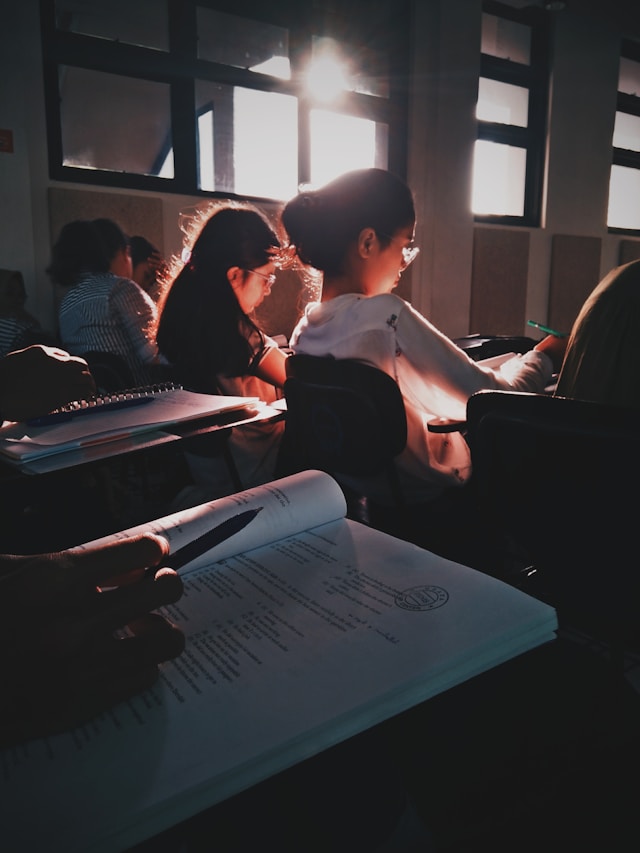
Pour moi, ce n’était pas une salle d’examen, mais un champ de bataille. La chaise en plastique était ma selle, le sol en marbre un vaste champ. J’ignorai le crissement de vingt autres plumes ; ce n’était que le détress d’une cavalerie nerveuse. L’ennemi s’étendait, blanc, blindé avec des formes de la Section Trois. Je resserrai ma prise sur mon arme, portant son poids impitoyable. Avec un cri de bataille silencieux, l’encre saigné dans l’étendue blanche. Le pouls de l’horloge était le tambour d’une légion proche. L’encre était mon seul bouclier, et le dernier coup de
cloche, ma seule miséricorde.

– Shanzeh Masood, Year 9

Years 10-11 runners up

Photo by Cristian Palmer on Unsplash

Le Naufrage Tragique

L’eau est montée. Rapide. Sans pitié. Elle s’est développée pour englober tout le monde à bord. Personne n’a été épargné.

Cela a commencé par une infiltration à travers une fissure dans la coque. Un trou innocent et inoffensif. Mais il a grandi, grandi et grandi. Jusqu’à ce qu’il soit trop tard.

Un dernier moment… encore un souffle de désespoir.

Un dernier regard qui s’efface vers le ciel.

Aucun survivant. Chaque passager est plongé dans l’eau légèrement froide.

« Vous avez fait sauter le gonflable! » s’écria leur mère.

Et tous les enfants sortent de la piscine.

– Joseph Nebel, Year 10

La fin des haricots

Photo by Jason Leung on Unsplash

« Aujourd’hui, il y a eu des reportages sur un quatrième meurtre ayant eu lieu dans le restaurant « Rouge », qui continue la série d’empoisonnements frappant la chaîne de restaurants fondée par Marcel Balzac. »

Récemment, Marcel avait du pain sur la planche. Sa vie était devenue un roman d’Agatha Christie. Néanmoins, il avait encore un restaurant à diriger, même s’il n’avait pas la pêche. Pendant qu’il travaillait, son corps a commencé à se sentir paralysé. Il luttait pour rester éveillé. Alors que sa conscience s’éloignait, il a réalisé ce qui se passait.

Il allait tomber dans les pommes.

– Honorée Wallis, Year 11

Years 12-13 runners up

Photo by Kayla K on Unsplash

Pourquoi je boîte.

On me demande pourquoi je boite.

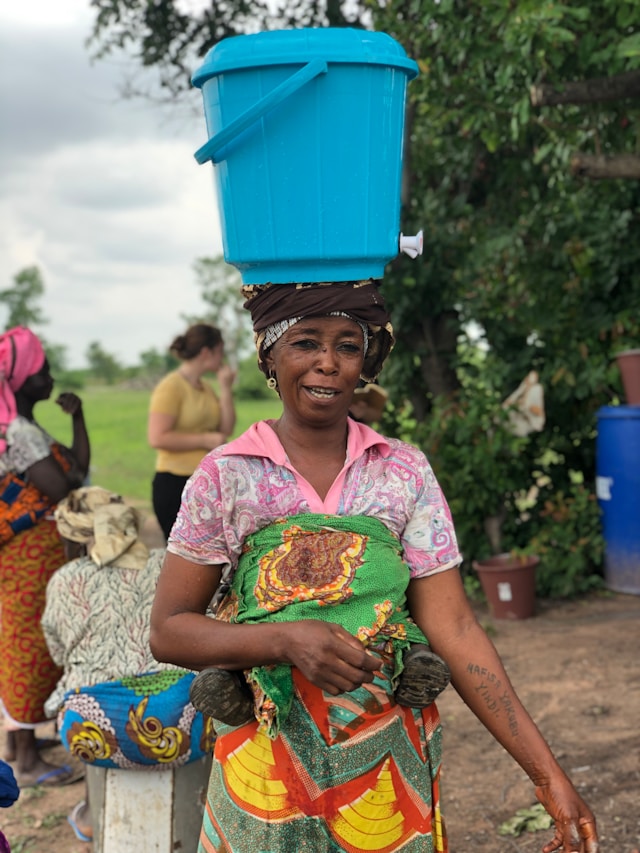
Mes os portent soixante ans et six petits-enfants accrochés à mon tablier. Je chante, non par joie, mais comme une prière pour leur sécurité. Chaque aube, je marche huit kilomètres jusqu’au puits, une lourde cruche en équilibre sur la tête.

Juste pour survivre.

Le soir, mes histoires leur offrent la magie dont je n’ai jamais eu ma part. Je boite sous le poids de six enfances qui fleurissent grâce à mes sacrifices.

Mon corps se courbe, mais mon esprit s’envole dans ces mélodies.

Je boite parce que je suis le pont entre leur faim et leurs rêves.

– Salomé Gvindadze, Year 12

Fleur

Photo by Erda Estremera on Unsplash

Son jardin s’étend devant moi comme un tableau de Monet : chaque fleur mouchetée se transformant en flou.

Une façade orchestrée : fragile dans ses éléments.

Un pissenlit s’échappe de sa tige, clairsemée comme des cheveux grisonnants. Les tournesols, enracinés, se fanent avec lassitude.

Jusqu’à présent, personne n’osait toucher sa chaise. Maintenant, elle reste là, patiemment, tandis que les myosotis l’effleurent, en disant « Ne m’oublie pas ! »

Je ferme les yeux, sur mes paupières se dessine son portrait : assise paisiblement dans son fauteuil, ses cheveux me saluant vivement tandis que son corps dort.

Comme une fleur au gré du vent.

– Francesca Bardou, Year 12

Félicitations tout le monde!

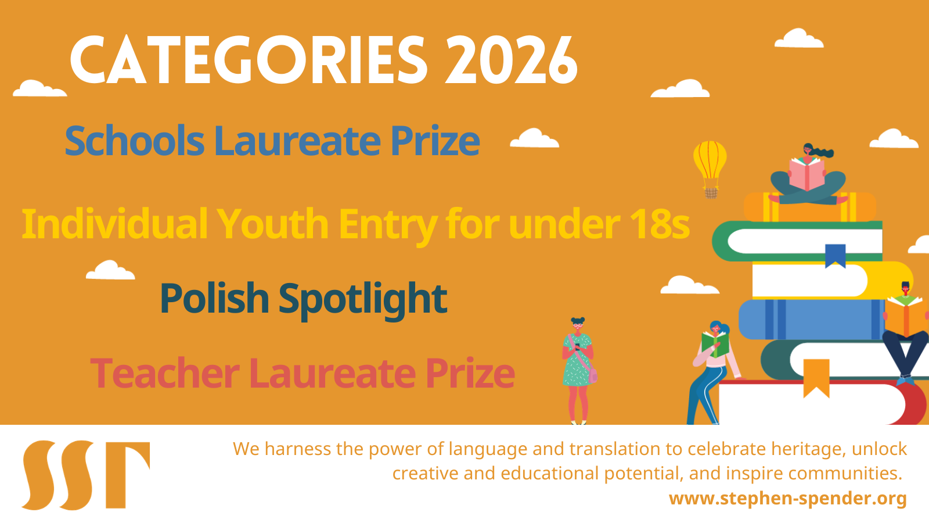
Stephen Spender Prize 2026

There are still 2 weeks left to submit! Deadline: midnight (BST) on Friday 31st July

The Stephen Spender Prize is an annual competition for poetry in translation that celebrates the creativity of young people across the UK and Ireland – and their teachers!

The 2026 Prize has categories for schools, teachers and individual young people, which welcome translations from all languages, as well as a special Polish Spotlight strand celebrating poetry from Poland.

Whether you’re an MLF, EAL or English teacher, and whatever the languages taught and spoken in your school community, the prize is a perfect way to engage students of all ages this summer term.

Ready to start working on your entries? Visit our Guide for Teachers page for all the key details about the prize at a glance, and explore our Stephen Spender Prize Resources hub for Teaching Resources and Student Resources to guide you and your pupils through every step of entering.

If you have any questions, please feel free to email us at prize@stephen-spender.org. We hope that many of you and your students will get involved this year!

Website: www.stephen-spender.org | X: @StephenSpender| Facebook: @StephenSpenderTrust | Instagram: @stephenspendertrust | Bluesky: @stephenspender.bsky.social

GERMAN FLASH FICTION 2026: THE WINNERS

We are delighted to publish the winning entries for this year’s German Flash Fiction competition. We published the winning entries for French and Spanish over the last two weeks. The runners up and the highly commended entries for all languages in each age category will be published over the coming weeks and months.

Thank you and huge congratulations to everyone who entered! The German judging panel were extremely impressed with all the entries we received this year (just under 200 of them!), and commented the following about the competition:

We were delighted to have received so many entries across a range of topics. Some stories led us into mystical realms and fairy-tale-like settings, while others offered new dimensions and dystopian glimpses at a future where robots and AI had taken over. At heart of all these often quite poetic stories was a deep emotional connection with the world, encompassing questions around the self and relationships with others, memories, hopes and dreams as well as the perspectives of animals. It was clear to see many entrants thinking carefully about the vocabulary and grammar structures they had been learning, and about how they could take risks with these to creative, poignant, or amusing effect. We found it heartening to see so many young Germanists engaging with fiction in such a palpably enthusiastic way, asking themselves how we narrate, how we connect with each other, and what we learn about German – and ourselves – in the process.

Without further ado, here are the winning stories! We hope you enjoy reading them as much as the judges did.

Years 7-9 winner

Photo by zhang shuaizhang on Unsplash

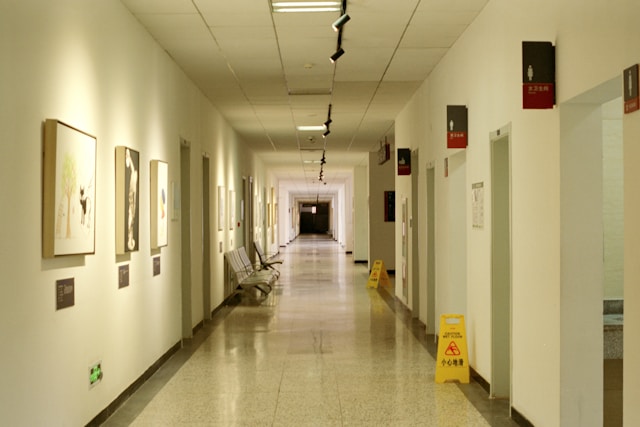
Im Krankenhausflur roch es nach Desinfektionsmittel und Regen. Lina saß neben Zimmer 214 und zählte die Schritte der Krankenschwestern. Ihr Großvater schlief drinnen, still wie ein geschlossenes Buch. Ein alter Mann im Rollstuhl rollte vorbei und flüsterte: „Krankenhäuser sind Orte voller Anfänge. “Lina verstand nicht. Menschen kamen hierher, weil etwas endete. Später wachte ihr Großvater auf und lächelte schwach. „Erzähl mir eine Geschichte“, sagte er. Lina erfand eine über mutige Entdecker und weite Meere. Während sie sprach, wurde seine Hand wärmer. Draußen hörte der Regen auf. Lina dachte plötzlich, vielleicht hatte der Mann recht. Manchmal beginnt Hoffnung genau dort, wo Menschen glauben, alles sei vorbei.

– Rynad Mohudeen, Year 9

Years 10-11 winner

Wachsen oder nicht?

Tag Eins

Ich glaube, das ist nicht mein richtige Ort…

Photo by Herbert Goetsch on Unsplash

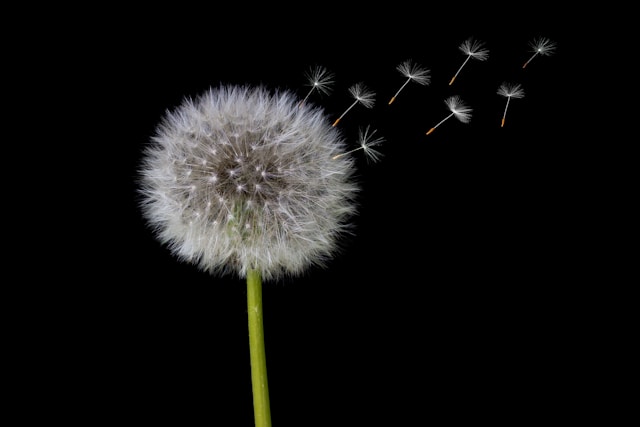
Gestern sind wir, Löwenzahnsamen, endlich geflogen! Wir haben auf Fliegen, unseren Zweck, auf unser ganzes Leben gewartet.

Aber ich bin in Asphalt: grau, miserabel, ohne andere Pflanzen. Ich glaubte, als ich aufwuchs, Leben wird hervorragend werden, jedoch ist es im Gegenteil!

Tag Zwei

Ich habe erstmals eine Krähe gesehen. Sie war so gewaltig! Und total schwarz! Indessen, sie lachte, Blumen können absolut nicht im Asphalt wachsen. Es war unsanft, aber… Was, wenn sie richtig war?

Tag Sechs

Ich fühle, Wurzeln wachsen aus mir. Sie sind natürlich, schwach.

Aber nur noch.

– Mariia Slobodyanyuk, Year 10

Years 12-13 winner

Photo by Ladislav Stercell on Unsplash

Meine Oma lehrte mir immer mehr Wörter, jedes Mal besuchte ich sie.
Wir begannen mit einfachen Wörtern, Vokabeln für ein Kind. Wir sprachen über alles von verschiedenen Farben bis den Namen der Sternbilder. Dann, mit einem stolzen Lächeln, wurde ich meinen Eltern Informationen über Regenbogen und Weltraum erzählt.
Als ich älter wurde, besprachen wir Konzepte. Wir lasen Bildungsromane und dachten nach der Bedeutung von Kafkaesk.
Ich lernte fast alles von ihr während unserer Zeit zusammen. Jetzt hat sie die letzte Ruhe gefunden, aber ich erinnere mich ihre Lieblingsausspruch.
“Diese sind deine Wörter,” sagte sie, “mach damit, was du willst.”

– Leah Holmes, Year 12

Herzlichen Glückwunsch an die Gewinner

SPANISH FLASH FICTION 2026: THE WINNERS

We are delighted to publish the winning entries for this year’s Spanish Flash Fiction competition. We published the winning entries for French last week. The winning entries for German, as well as the runners up and the highly commended entries for all languages in each age category will be published over the coming months.

Thank you and huge congratulations to everyone who entered! The Spanish judging panel were extremely impressed with all the entries we received this year (over 350 of them!), and commented the following about the competition:

As in previous years, there were lots of very interestingly organized and thought-provoking entries. This year, we noticed quite a different at the level of theme – some were very funny, others, more sobering reflections on modern life. It was very difficult to decide the overall winners and runners up and there were a number of other stories that we would have liked to have commended too. The level of the Spanish seemed a little stronger than in previous years, which is testament to your hard work. ¡Seguid estudiando y escribiendo!

Without further ado, here are the winning stories! We hope you enjoy reading them as much as the judges did.

Years 7-9 winner

Photo by tabitha turner on Unsplash

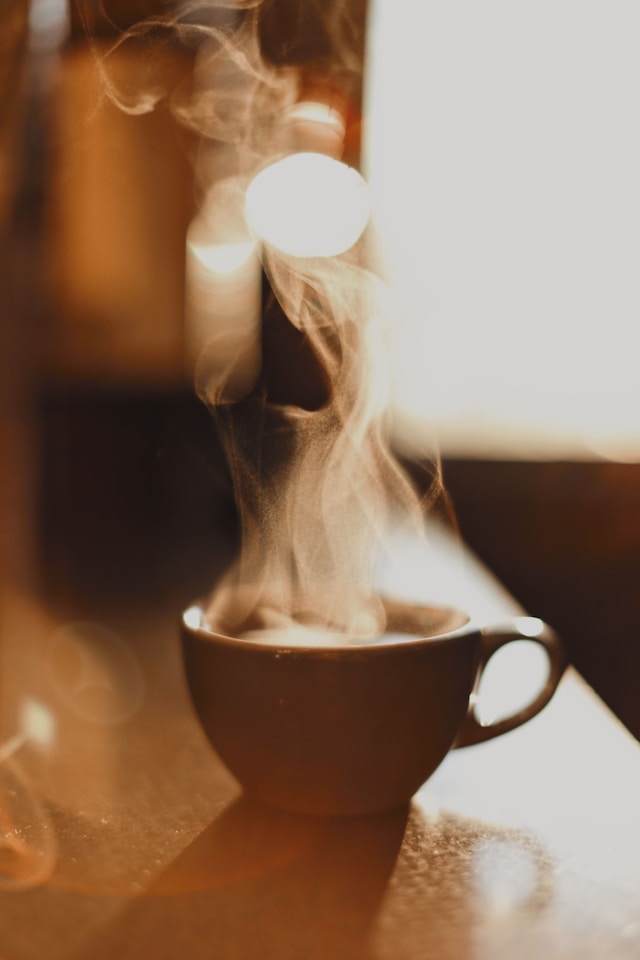
Una explosión de bronce desgarró el cielo tranquilo, enviando espirales furiosas hacia las profundidades. Una tormenta comenzó a gestarse. Volutas cobrizas se elevaron, deshaciéndose en una bruma de humo espeso, danzando con gracia a través de un mundo cristalino donde la luz se quebraba en destellos, dejando a su paso una suave neblina. De pronto, el desorden se disolvió en una serenidad apacible. La bruma castaña se aquietó, coronada por un leve vapor. La taza de té prefecta aguardaba el primer sorbo.

– Alessia Jain, Year 7

Years 10-11 winner

Photo by Etienne Boulanger on Unsplash

El peso de las palabras
Al principio, nadie se dio cuenta.
Las palabras siempre habían sido invisibles, soplos
que se desvanecían en el aire. Pero entonces,
empezaron a caer.
Una broma era un guijarro. Una mentira era una
piedra. Un insulto golpeaba con un crujido, dejando
huella.
Pronto, la gente se vio obligada a cargar con ellas.
Los comentarios descuidados pesaban sobre los
hombros. Las frases hirientes doblegaban las
espaldas. El peso se acumuló.
Algunas palabras se aferraban como cadenas. Otras
oprimían el pecho, asfixiando cada aliento.
Entonces, una frase cayó de forma distinta.
«Me importas»
Cayó con delicadeza… y lo alivió todo.

– Alfie Bailey, Year 10

Years 12-13 winner

Photo by Peter Herrmann on Unsplash

El polvo
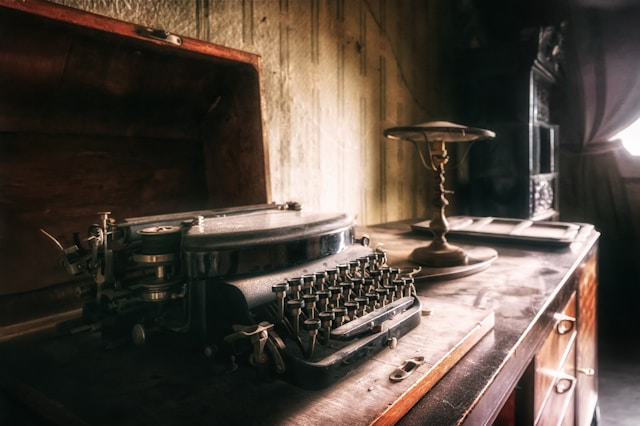
El polvo cubre todo, pequeñas nubes suspendidas en la luz. Se posa en estantes, libros olvidados y marcos de cuadros. Se aferra a esquinas, alfombra bordes y se oculta en grietas. Cada mota es testigo de risas, ira, dolor y alegría: momentos vividos y olvidados. Cuando se agita, flota como un fantasma, atrapando la luz antes de caer. Espera escuchar otra
conversación, marcar otro paso o huella. Es un recordatorio de cada instante pasado, siempre presente aunque silencioso, dejando su huella en lo que olvidamos.

– Lila Rock, Year 12

¡Felicidades a todos los ganadores!